Medley’s partnerships with local organizations and nonprofits are part of Toro’s plan to make community involvement more than an occasional fundraiser
Before Medley even welcomes its first grand-opening crowd, Toro Development Company has been asking a question that has nothing to do with leases, restaurants or parking — Who can we help?
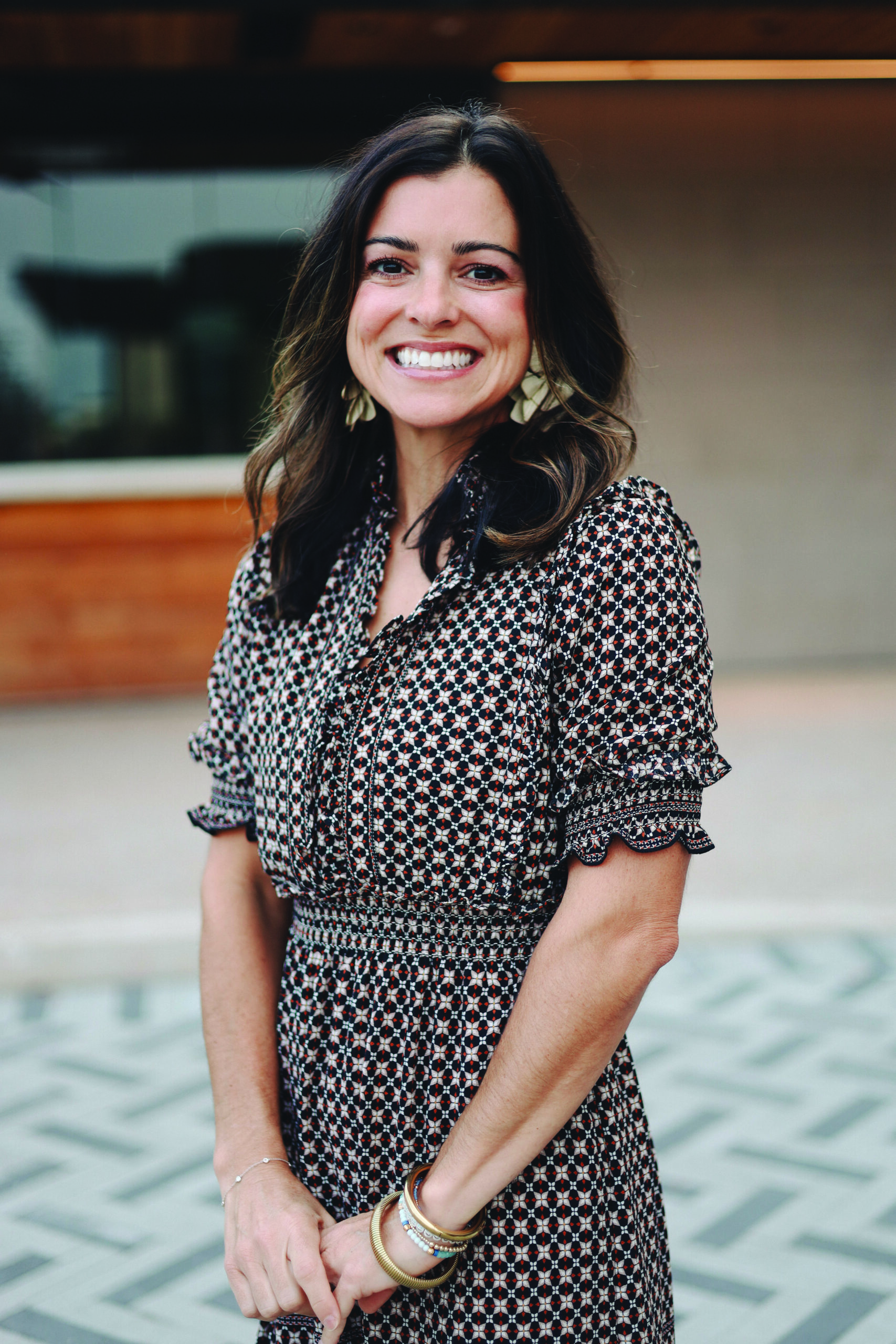
For Carla Cox, vice president of marketing for Toro, the answer needed to be local. Medley is being developed as a gathering place for Johns Creek, so its first major nonprofit partnership should reflect the community it hopes to join. Toro’s search led them to the Johns Creek Symphony Orchestra.
“When we set out to do this, one of the big components was finding a nonprofit charity that we could work with,” Cox said. “A lot of our philosophies in our planning and execution is: How can we give back to the community, and who is it that needs that support at the time?”
The orchestra will benefit from Medley Unveiled, the ticketed October 28 event kicking off Medley’s three-day grand-opening celebration. But writing a check and moving on isn’t the plan. Toro wants nonprofits woven into the life of Medley.
Starting close to home
There was no shortage of organizations Toro could have chosen for its first major partnership. Cox said the company canvassed the community and talked with Mayor John Bradberry and others before selecting the Johns Creek Symphony Orchestra.
The orchestra is in a period of growth, she said, and Toro saw an opportunity to provide both financial support and greater visibility.
“We really wanted someone that was local to start and was going to really work within the Johns Creek market, near and dear to the community here,” Cox said.
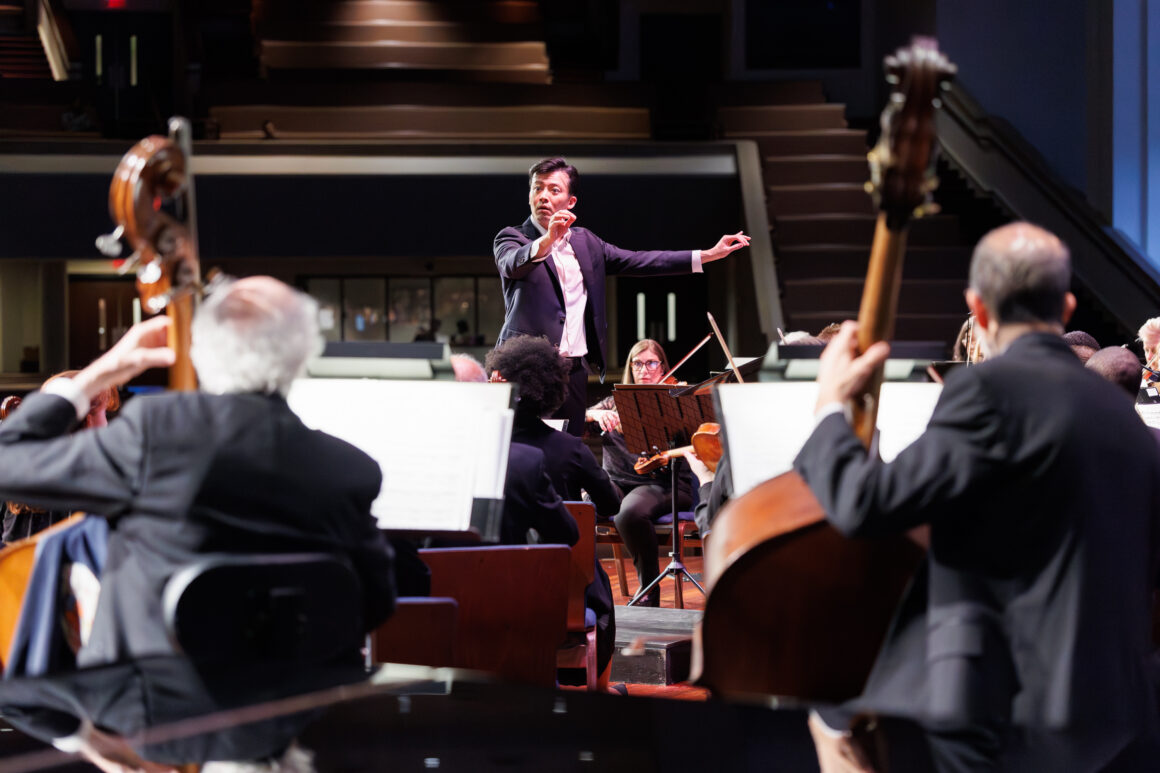
The relationship also made sense from an experiential standpoint. A string quartet from the orchestra is scheduled to perform during Medley Unveiled, allowing the nonprofit to become part of the event rather than simply its beneficiary. And the partnership doesn’t end with the grand opening.
Cox said Symphony Sundays will bring the orchestra back for monthly classical music performances as part of Medley’s ongoing events calendar. That creates something more valuable than a logo on a sponsorship banner. It creates an audience.
A platform, not just a check
That’s central to how Cox describes Medley’s approach to nonprofit involvement.
“Our nonprofit relationships are really intended to extend well beyond just the traditional fundraising components,” she said.
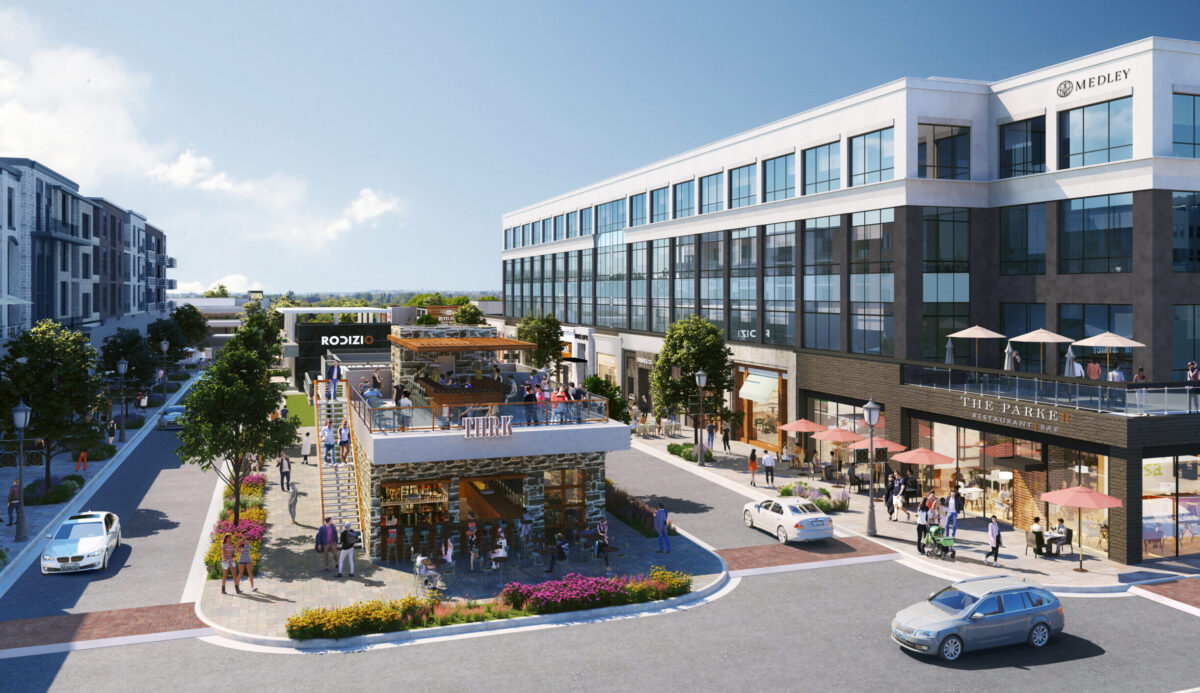
Medley has physical space. It has events. It has businesses. It has marketing channels. And, if Toro succeeds in creating the destination it envisions, it will have an audience. Cox wants nonprofits to be able to tap into all of them.
“We want our platforms to be able to use those spaces, have their events, use our audience to create meaningful partnerships for our nonprofits and our partners,” she said.
Those relationships could include event partnerships, fundraising, on-site exposure and volunteer opportunities. The model gives organizations something they often need as much as money: attention. Someone strolling through Medley for dinner might encounter an organization or cause they knew nothing about before arriving. That’s community involvement by introduction.
Beyond the symphony
The Johns Creek Symphony Orchestra may be first, but it won’t be alone. Cox said Medley is already partnering with Bert’s Big Adventure for activities during the planned Party on the Plaza on October 30, including a live raffle and other interactive elements.
The Atlanta-based nonprofit provides a five-day, all-expenses-paid trip to Walt Disney World for children with chronic and terminal illnesses and their families.
Toro is also working with The Lionheart School in Alpharetta on donation-related initiatives. Those relationships will continue to grow after Medley opens.
“We plan to work with a plethora of charities,” Cox said.
The geographic reach will expand as well. Johns Creek organizations are a priority because Medley is part of that community, but Cox said Toro also anticipates relationships throughout the greater area. The key is finding partnerships that make sense rather than filling a quota.
Come find us
Toro doesn’t expect every worthwhile nonprofit to already be on its radar. Cox wants organizations to approach Medley, too. Nonprofits interested in partnerships can reach out through Medley’s marketing inquiry channels online or social media.
Once Medley is open, Cox offered an even simpler option. Come over. The concierge booth will sit at the center of the property, and organizations can use it as a point of contact. That accessibility fits Toro’s larger vision for Medley. If the development wants to call itself a community gathering place, community organizations need a way into the conversation.
What does ‘community’ actually mean?
“Community” is one of those words that appears so often in development and corporate marketing that it can begin to lose meaning. Cox talks about it differently. For her, community isn’t simply the people who arrive with credit cards.
It’s the people who use the place. That includes parents bringing children to a playdate. Residents attending a Lunar New Year celebration. People exercising during an outdoor fitness class. Music lovers listening to the symphony. Teenagers looking for something to do. It also means being willing to listen when an idea doesn’t work.
During Medley’s first year, Toro plans to actively seek community feedback about programming. Did people enjoy an event? Would they come again? Was it held at the wrong time? What would they rather see?
“We want it to work for the community,” Cox said.
That may sound like a small distinction. It isn’t. There is a difference between creating programming for a community and creating it with one.
Making room for Johns Creek’s many communities
Johns Creek isn’t monolithic. Its diversity is reflected in its residents, languages, cultures, ages and traditions. Cox said that has been considered in the programming Medley is developing. Future plans include Lunar New Year programming alongside events such as summer celebrations, movie nights, live music, fitness activities and children’s programming.
“We are catering our whole programming, our whole community, our concierge program, all of that around the diversity of Johns Creek and the demographic that we’re going to be serving,” she said.
That approach gives Toro an opportunity — and a challenge. A true third place can’t belong to only one segment of a community. It has to make different people feel as though there is room for them.
Community immersion happens on an ordinary Wednesday
Grand openings make community involvement relatively easy. There are crowds. Cameras. Politicians. Music. Special events. The harder test comes six months later.
Cox seems aware of that.
The goal isn’t to create three impressive days in October. It’s to create traditions that people return to year after year.
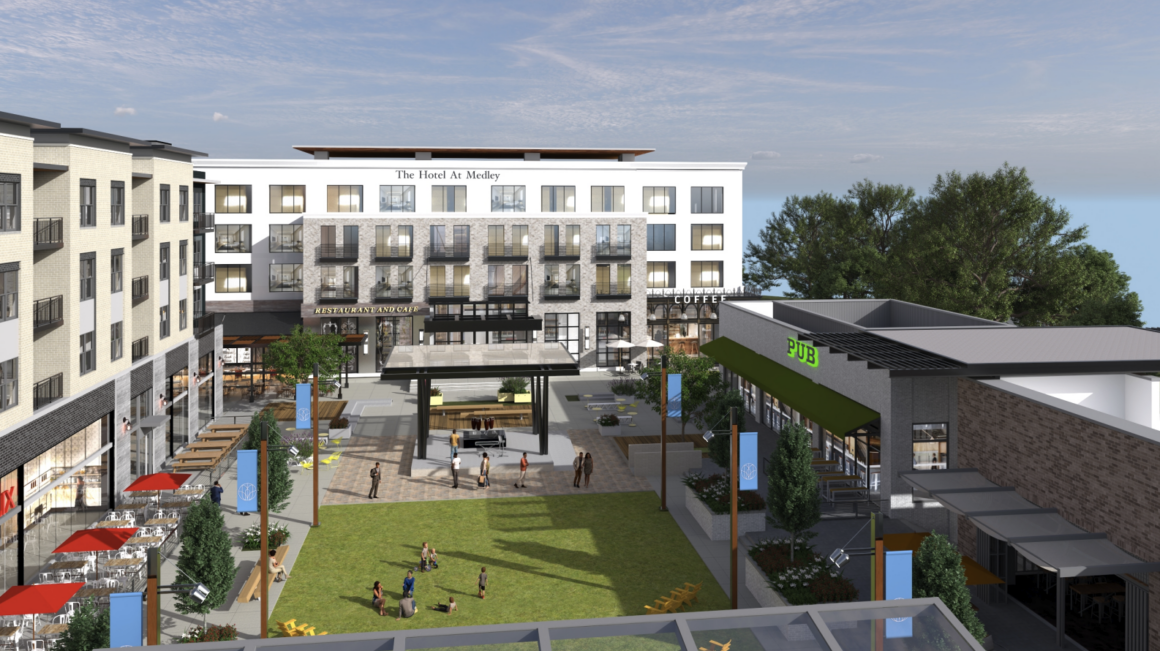
“Five years from now, we want Medley to be a fixture in the Johns Creek community,” she said.
Some of the events introduced during that first year, Cox hopes, will still be happening five or 10 years later. That’s when community immersion becomes something more than a marketing strategy.
A child’s monthly playdate becomes a family routine. A Symphony Sunday becomes a tradition. A nonprofit fundraiser becomes an annual event. An organization that once borrowed space at Medley develops an audience there.
People begin saying “we’re going to Medley” without needing to explain why.
Heart share over market share
Mixed-use developments are businesses. Restaurants need customers. Retailers need sales. Apartments need residents. And investors expect returns. Cox isn’t pretending otherwise. But Toro has another phrase for what it wants Medley to capture.
“Heart share over market share.”
It’s a marketing expression, certainly. But it also provides a useful test for Medley’s community promises.
If nonprofits find an audience there, if local organizations see Medley as a partner, if Johns Creek’s different cultures find themselves represented in its programming and if residents begin creating their own traditions there, then Medley will have accomplished something beyond filling storefronts. It will have become part of the community rather than simply a development located within it.
“We want people to come to our place and feel happy and feel joyous,” Cox said, “and get that feeling when they step foot on our property to know that they want to come back here and they want to do life here.”
That phrase — “do life here” — may be the simplest description of what Toro is trying to accomplish.
The buildings are nearly ready. The restaurants and shops are moving in. The Plaza will have its stage. But community isn’t something a developer can construct and deliver on opening day.
That part has to be built with the people who show up.